Free nationwide delivery on orders over ₨ 5,000 — authentic products direct from the valleys of Chitral
starks
June 7, 2026
5 views
3 min read
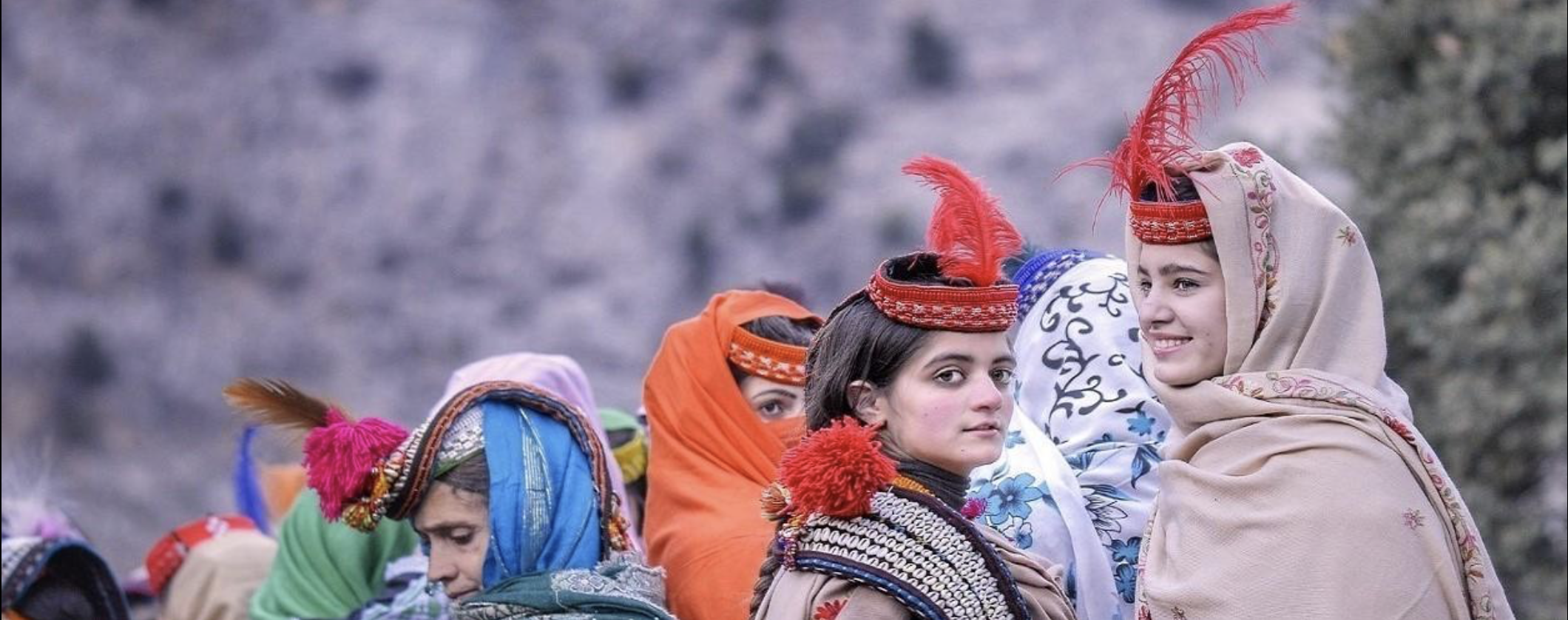
Nestled among the majestic mountains of northern Pakistan, Chitral is a land rich in culture, hospitality, and centuries-old traditions. Known for its breathtaking valleys, colorful festivals, traditional attire, and warm-hearted people, Chitral remains one of the most culturally unique regions in Pakistan.
Despite the modern world rapidly changing lifestyles across many communities, the people of Chitral continue to preserve their heritage with pride. From handmade wool caps to traditional music and ancient festivals, every aspect of Chitrali life reflects history, identity, and deep-rooted values.
Life in Chitral is closely connected with nature and community. Families often live together in traditional homes built with wood and stone, designed to survive harsh winters in the mountains. Agriculture, livestock, handicrafts, and small local businesses remain an important part of daily life.
Hospitality is one of the strongest traditions of Chitral. Guests are treated with great respect, and sharing food and tea is considered a symbol of honor and kindness.
The peaceful lifestyle of the region reflects simplicity, unity, and cultural pride that has been passed down from generation to generation.
One of the most recognizable cultural symbols of Chitral is the traditional Pakol cap. Handmade using pure wool, the Chitrali Pakol is known for its warmth, comfort, and elegant design.
Originally worn by the people of Chitral and neighboring mountain regions, the Pakol later gained worldwide recognition and became a symbol of traditional northern Pakistani culture.
Today, handmade Chitrali caps are appreciated not only for their beauty but also for the craftsmanship involved in making them. Skilled artisans carefully shape and stitch every cap by hand using traditional techniques that have existed for centuries.
Chitrali culture is also famous for its beautiful traditional clothing and handmade crafts. Women create colorful embroidery, woven shawls, beadwork, and handmade accessories that reflect the artistic heritage of the region.
Many families depend on these traditional crafts as a source of income, and purchasing authentic handmade products helps preserve these valuable skills for future generations.
The detailed patterns and natural materials used in Chitrali handicrafts make every item unique and meaningful.
Music plays a special role in Chitrali culture. Traditional instruments such as the rubab and sitar are commonly played during weddings, cultural gatherings, and festivals.
The region is also home to famous festivals, especially in the Kalash valleys, where ancient traditions are celebrated with dance, music, colorful dresses, and community gatherings.
Festivals like Chilam Joshi attract visitors from around the world who come to experience the vibrant culture and traditions of the Kalash people.
In today’s fast-changing world, preserving cultural heritage has become more important than ever. Supporting local artisans and buying authentic handmade products helps protect the traditions, skills, and identity of Chitral.
Every handmade cap, shawl, piece of jewelry, or embroidered fabric carries the story of the mountains and the hardworking people who create them.
At Chitrali Bazar, we proudly support local craftsmanship by bringing authentic Chitrali products to people who appreciate culture, tradition, and handmade quality.
The culture of Chitral is more than just tradition — it is a living heritage filled with history, beauty, and human connection. From the warmth of Chitrali hospitality to the artistry of handmade crafts, every tradition tells a story that deserves to be preserved and celebrated.
As modern trends continue to evolve, the timeless traditions of Chitral remain a powerful reminder of cultural identity, craftsmanship, and community values that continue to inspire people around the world.