Free nationwide delivery on orders over ₨ 5,000 — authentic products direct from the valleys of Chitral
starks
June 7, 2026
14 views
4 min read
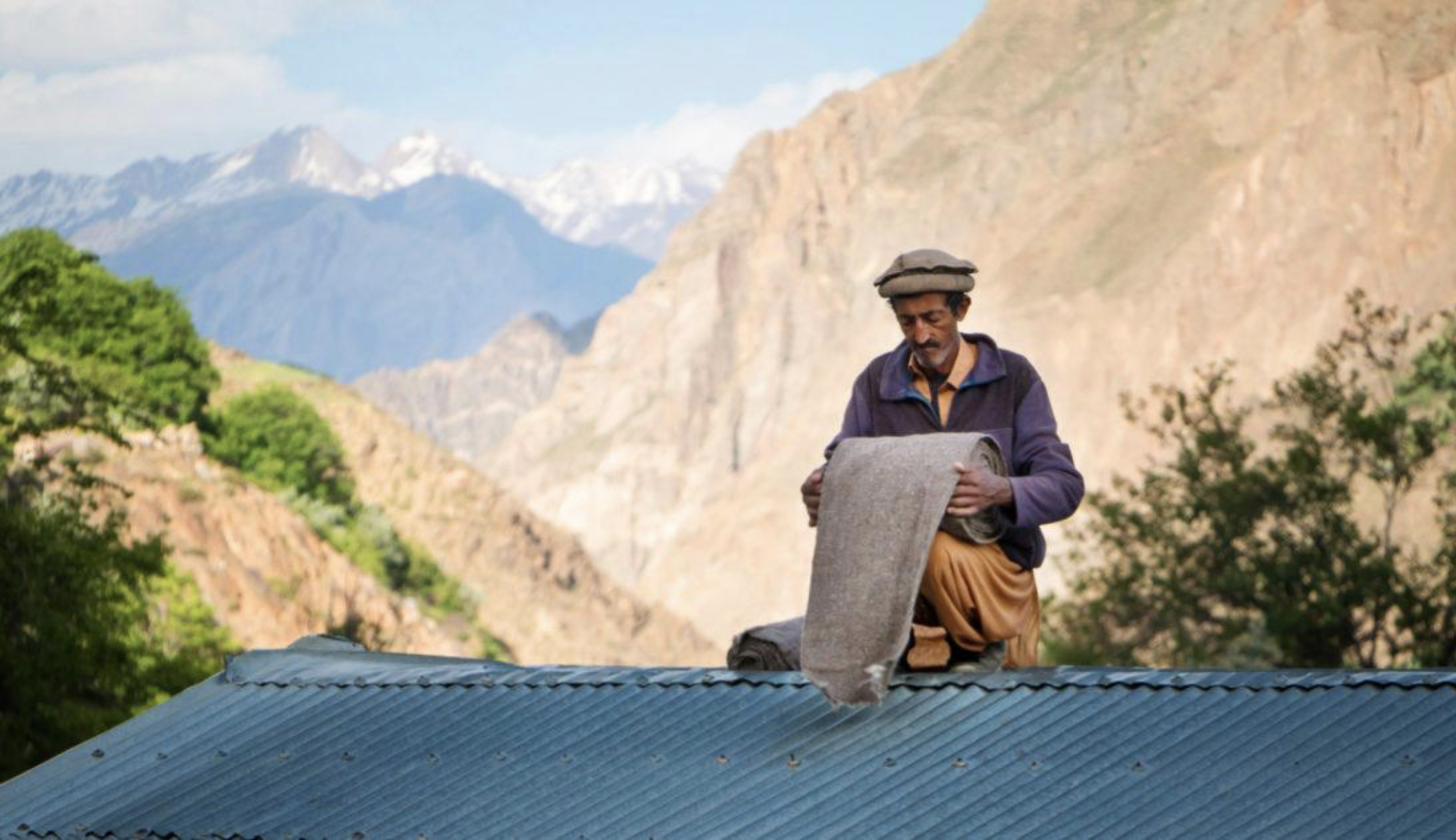
Behind every Chitrali shawl, cap and woollen coat is something a price tag rarely shows: a pair of hands, a wooden loom, a family, and a tradition that has been carried through the mountains for generations. In a world of fast fashion and factory output, handmade Chitrali wool is a quiet act of resistance — and the people who make it deserve to be known. This is their story, and why it matters when you choose to buy their work.
Chitral sits high in the Hindu Kush of northern Pakistan, where winters are long and unforgiving. Out of that environment, communities developed shu (also called patti) — a pure, windproof handwoven wool that became the backbone of mountain clothing. The craft is part of a much older Central Asian weaving tradition, passed from generation to generation in the valleys.
It was never just about making cloth. The skills, the seasonal rhythms and the social rituals around weaving are woven into community life itself. To make Chitrali wool is to take part in something far bigger than a single garment.
One of the most beautiful things about Chitrali wool is how collaborative it is. Producing a single roll of fabric draws on the work of an entire community, with women and men each playing essential roles.
Women, in particular, carry much of this knowledge — from tending sheep to carding wool, preparing thread and setting the stage for weaving. In many villages, the act of spinning is surrounded by its own stories and beliefs, a sign of how deeply the craft is rooted in daily life.
When something is made by hand, you’re paying for qualities a machine can’t deliver:
In short, you’re buying a heirloom, not an impulse.
Here’s what gives all of this urgency: the knowledge of making Chitrali wool is endangered. A changing climate is reshaping mountain life. Village populations are ageing. And younger generations, drawn toward other work, are learning the craft in smaller numbers. Cultural institutions have even begun documenting the entire process on film, racing to preserve it before the last expert weavers are gone.
That’s a sobering thought — but it’s also where buyers come in. Demand keeps looms running. Income gives artisan families a reason to keep weaving and to teach their children. Every authentic purchase is a small vote for the survival of the craft.
If you want your purchase to genuinely support this tradition, a few principles help:
When you wrap yourself in a handwoven Chitrali shawl or settle a pakol onto your head, you carry more than wool. You carry the cold streams it was washed in, the sun it dried under, the hands that spun and wove it, and the determination of a community to keep its heritage alive. That’s something no factory can ever sell.
Support the artisans of Chitral — explore our collection of authentic handmade shawls, caps and woollens, each crafted by skilled mountain weavers. [Shop the collection →]